If you are planning a trip to Chania, Crete, this comprehensive guide to Chania tourist information covers everything you need to know before you arrive. Navigating a new destination requires clear, reliable, and up-to-date local knowledge. From municipal shop trading hours and quiet hours regulations to public transport networks, emergency contacts, and local etiquette, this guide provides all the essential travel information for a seamless and memorable stay in Chania.
Whether you are a solo traveller exploring the Old Venetian Harbour, a family staying along the coastal resorts of Agia Marina and Platanias, or a digital nomad settling in Crete for the season, having accurate local insights ensures you spend less time searching for logistics and more time enjoying the island.
At a Glance: Key Facts About Chania & Greece
For a quick orientation, here is the essential baseline data for travellers visiting Chania and the island of Crete:
- Country: Greece (Hellenic Republic)
- Capital of Greece: Athens
- Regional Location: Prefecture of Chania, Island of Crete
- Population of Crete: ~634,930 (Regional Estimate)
- Population of Chania Prefecture: ~159,576 (Regional Unit)
- Government Type: Unitary Parliamentary Republic
- Official Language: Greek
- Currency: Euro (€ / EUR)
- International Country Code: +30
- Country Abbreviations: GR, GRC
- Time Zone: Eastern European Time (EET / UTC+2 in Winter, EEST / UTC+3 in Summer)
- Climate: Mediterranean (Hot, dry summers and mild, rainy winters)
Shop Opening Hours in Chania & Sunday Trading
Understanding local shop opening hours in Chania is crucial for planning your daily routine, shopping trips, and grocery runs. Retail schedules in Chania differ significantly from Northern European or American standards, operating on a traditional split-shift schedule that changes between the summer and winter seasons.
Standard Retail Opening Hours
Local boutiques, clothing stores, and other commercial businesses in central Chania strictly follow the traditional Greek commercial schedule. On Tuesdays, Thursdays, and Fridays, shops close in the afternoon for a midday break (siesta) and reopen in the evening.
| Season / Period |
Monday & Saturday |
Tuesday, Thursday & Friday |
Wednesday |
Sunday |
| Summer Schedule
(April – October) |
09:00 – 14:30 |
09:00 – 14:00
& 18:00 – 21:00 |
09:00 – 14:00 |
Closed (Except Tourist Zones) |
| Winter Schedule
(November – March) |
09:00 – 14:30 |
09:00 – 14:00
& 17:30 – 20:30 |
09:00 – 14:00 |
Closed |
— CONTINUATION OF H2: SHOP OPENING HOURS –>
Multinational Retail & High-Street Chains Schedule
Major international and national retail chains—particularly in the clothing, fashion, and cosmetics sectors — located along central commercial streets such as Halidon, Skalidi, and Chatzimichali Giannari do not follow the traditional split-shift hours. Major brands including
Zara, H&M, Bershka, Pull & Bear, Marks & Spencer, Intimissimi, and Sephora operate on a continuous schedule throughout the week:
- Monday to Friday: 09:00 – 21:00 (Continuous opening hours, no midday closure)
- Saturday: 09:00 – 20:00
- Sunday: Closed (Except during nationwide official shopping Sundays)
Supermarket Hours & Sunday Shopping in Coastal Resorts
Standard supermarket chains across central Chania remain open Monday to Saturday from 08:00 to 21:00 and are closed on Sundays. However, to accommodate holidaymakers during the summer season, select major supermarkets operating in key coastal resort areas—specifically in
Agioi Apostoloi and Platanias (including large
Lidl and
SYN.KA branches)—remain open on
Sundays from 11:00 to 20:00.
Looking to explore local boutiques, traditional Cretan product markets, or fashion outlets? Discover our curated guide and interactive map for shopping in Chania
Bank Opening Hours in Chania
For official banking transactions, currency queries, or administrative financial services, commercial banks in Chania operate with strict public hours:
- Monday to Friday: 08:00 – 14:00
- Saturday & Sunday: Closed
Note: Cash withdrawals are handled exclusively through outdoor 24/7 ATMs, as over-the-counter cash withdrawals at bank counters are no longer available for standard accounts.
Are Shops Open on Sundays in Chania?
As a general rule under Greek labour law, commercial shops and supermarkets remain
closed on Sundays across Greece. However, important exceptions apply depending on the location and season:
- Designated Tourist Zones: During the peak tourist season (May to October), souvenir shops, beachwear stores, mini-markets, and boutique outlets in tourist areas—such as the Venetian Old Town, Agia Marina, Platanias, and Kalyves—are legally permitted to remain open all day on Sundays with flexible late-night hours.
- Mini-Markets & Kiosks (Periptera): Local convenience stores, corner shops, and traditional street kiosks (*periptera*) operate daily, including Sundays, often staying open until midnight or 24/7 in central areas.
- Official Sunday Retail Days: Standard commercial shops in Chania town open on specific Sundays during the year, primarily during winter/summer sales periods and peak holiday shopping seasons (such as the two Sundays preceding Christmas).
Is Chania Safe? Safety Tips for Families & Solo Travellers
Chania is widely recognised as an exceptionally safe, welcoming, and peaceful destination for both domestic and international visitors. Serious crime is extremely rare across the entire prefecture. Whether you are strolling through the narrow alleys of the Old Venetian Harbour late at night, exploring remote mountain villages like Theriso, or vacationing in popular coastal hubs such as Agia Marina, Platanias, Paleochora, Sfakia, and Elafonissi, the overall environment is relaxed and secure.
Families with children, solo female travellers, couples, and digital nomads consistently visit Chania without safety concerns. Public transport is safe, and residents are renowned for their Cretan hospitality (*Filoxenia*), making them eager to assist if you ever need directions or help.
Is Chania Safe at Night?
Yes, central Chania and its surrounding tourist districts remain very safe at night. The Old Venetian Harbour, Nea Chora, and the central shopping streets are well-lit, vibrant, and bustling with people until late into the evening. You can comfortably walk back to your hotel or accommodation after dinner or drinks without worry.
Basic Safety & Theft Prevention Tips
While violent crime is virtually non-existent, opportunistic petty theft (such as pickpocketing) can occasionally occur in crowded tourist hotspots, as in any major European destination. We recommend taking the following basic precautions:
- Watch Your Belongings: Keep an eye on bags, wallets, and mobile phones when walking through heavily crowded areas, such as busy bus terminals or the night market in the Old Town.
- Protect Valuables at the Beach: Never leave expensive electronics, passports, or large amounts of cash unattended on beach towels while swimming.
- Rental Car Safety: Always lock your rental vehicle and avoid leaving bags, sunglasses, or luggage visible in the seats when parking near popular beaches or remote hiking trailheads.
- Emergency Support: The local police force is visible and accessible. In central areas, the English-speaking Tourist Police (171) is available 24/7 specifically to assist international travellers.
Quiet Hours (Hours of Common Silence) in Greece
When staying in residential neighbourhoods, holiday apartments, or rental villas in Chania, it is essential to be aware of the official Greek Hours of Common Silence (*Ores Kinis Isychias*). Mandated by Greek law to ensure public rest, these rules apply strictly across residential zones, apartment complexes, and village settlements.
During these designated time windows, creating excessive noise—such as playing loud music, hosting noisy gatherings, shouting on balconies, or performing heavy household/construction work—is legally prohibited and subject to police fines.
Official Daily Quiet Hours Schedule
The exact quiet hours vary depending on the winter or summer period:
- Summer Period (1 May – 30 September):
- Afternoon Rest: 15:00 – 17:30
- Night Rest: 23:00 – 07:00
- Winter Period (1 October – 30 April):
- Afternoon Rest: 15:30 – 17:30
- Night Rest: 22:00 – 07:30
Visitor Etiquette Tip: Respecting afternoon quiet hours (15:00 – 17:30) is deeply ingrained in local Cretan culture. If you are staying in a residential area or village rental, keep balcony noise and music low during these afternoon hours.
Currency, ATMs & Card Payment Rules
Greece uses the Euro (€ / EUR) as its official currency. Managing your money in Chania is straightforward, as digital and contactless payment infrastructure is widely available across Crete. However, carrying a small amount of cash remains practical for minor daily purchases.
Using Credit & Debit Cards in Chania
Card payments are standard throughout Chania. By Greek law, all commercial businesses—including tavernas, cafes, taxis, beach bars, and local kiosks (*periptera*)—must accept credit and debit cards (Visa, Mastercard, Maestro, Apple Pay, and Google Pay).
- American Express & Diners Club: Cards like American Express (AMEX) and Diners Club are less commonly accepted at smaller, family-run venues. These cards are usually not accepted by local businesses due to higher merchant processing fees, so it is best to rely on Visa or Mastercard.
- Tobacco & Cigarette Purchases (Cash Only): Please note that if you are buying only tobacco, cigarettes, or electronic cigarette refills at a local kiosk (*peripteron*) or mini-market, merchants may decline card payments or request cash. Due to extremely low profit margins and fixed government taxes on tobacco products, this is a common practice throughout Chania and Greece.
- Minimum Card Transactions: While merchant laws mandate card acceptance for all amounts, some small independent shops or kiosks may request cash for purchases under €5 (such as single bottles of water or newspapers) due to banking fees.
- Digital & Fintech Cards: Travelling with digital bank cards such as Revolut, N26, or Wise is seamless across Crete, with POS terminals processing transactions instantly.
ATMs & Cash Withdrawals
ATMs are abundantly available in central Chania, the Venetian Old Town, and all major coastal resorts (Agia Marina, Platanias, Kissamos, Paleochora). However, cash machines become significantly scarcer when travelling into inland mountain villages or remote southern beaches.
- Bank ATMs vs Standalone ATMs: Always use ATMs attached directly to official Greek banks (such as National Bank of Greece, Piraeus Bank, Alpha Bank, and Eurobank). Standalone yellow-and-blue Euronet ATMs in high-tourist areas often charge significantly higher withdrawal fees and apply unfavourable Dynamic Currency Conversion (DCC) exchange rates.
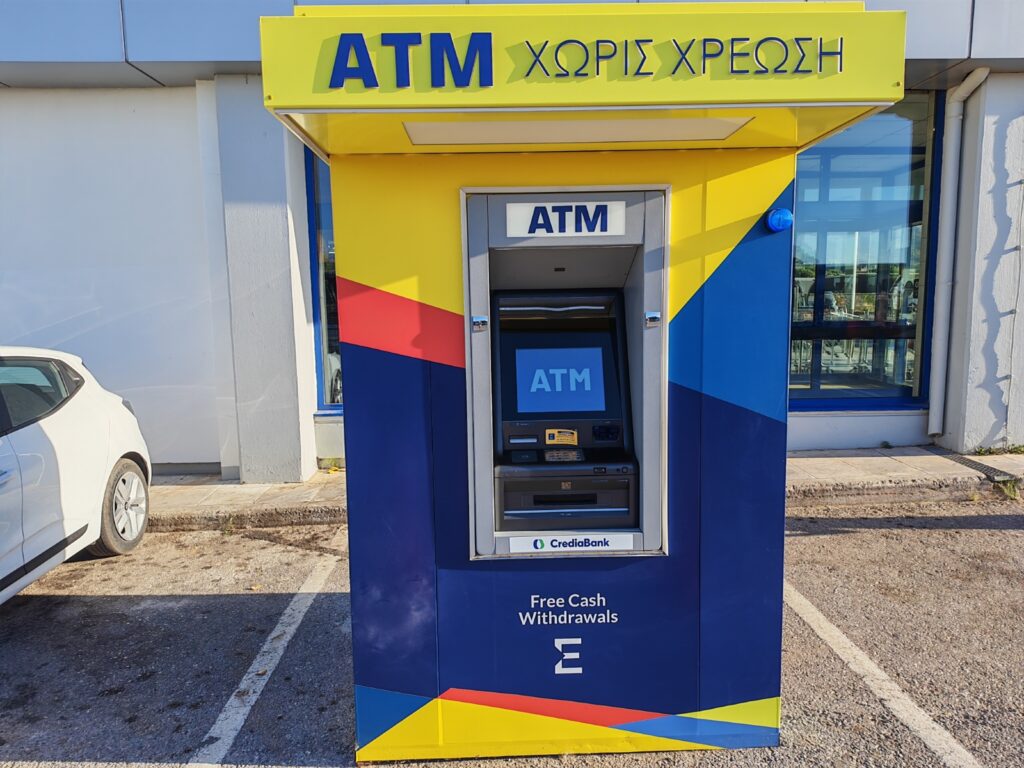
- Local Insider Tip (Free Cash Withdrawals at Supermarkets): A lesser-known way to avoid high ATM fees is to look for CrediaBank ATMs at the entrances of major supermarkets across Chania. You can find these fee-free cash machines at the Sklavenitis and Lidl supermarkets along Leoforos Mournion (at the entry of Chania town), as well as at the Lidl and SYN.KA branches in Agioi Apostoloi and Platanias. These ATMs generally do not charge local operator processing fees for domestic cards and offer fair terms for international cards. Look for the CrediaBank branding on the machine.
- Avoid Dynamic Currency Conversion (DCC): When withdrawing cash or paying by card with a non-Euro account (e.g. British Pounds or US Dollars), always select the option to be charged in EUR (local currency) rather than your home currency to receive your own bank’s superior exchange rate.
- Bank Counter Services: Commercial banks operate Monday to Friday from 08:00 to 14:00. Note that standard cash withdrawals are processed exclusively via outdoor ATMs; bank tellers no longer handle over-the-counter cash withdrawals for routine accounts.
Currency Exchange in Chania
If you arrive with foreign currency (GBP, USD, CHF, etc.), currency exchange services are available at Chania International Airport (CHQ), the Souda Port passenger terminal, and authorised exchanges in central Chania (specifically near 1866 Square and Halidon Street).
Electricity, Voltage & Plug Types in Greece
To keep your laptops, smartphones, and camera equipment charged safely during your stay in Crete, you must understand the local electrical standards used across Greece.
Greek Electrical Standards
Greece operates on a 230V supply voltage with a standard frequency of 50Hz. This is standard across the European Union and the United Kingdom. However, travellers arriving from countries with a 110V/120V system (such as the United States or Canada) must verify whether their electronic devices are dual-voltage before plugging them into a Greek wall outlet.
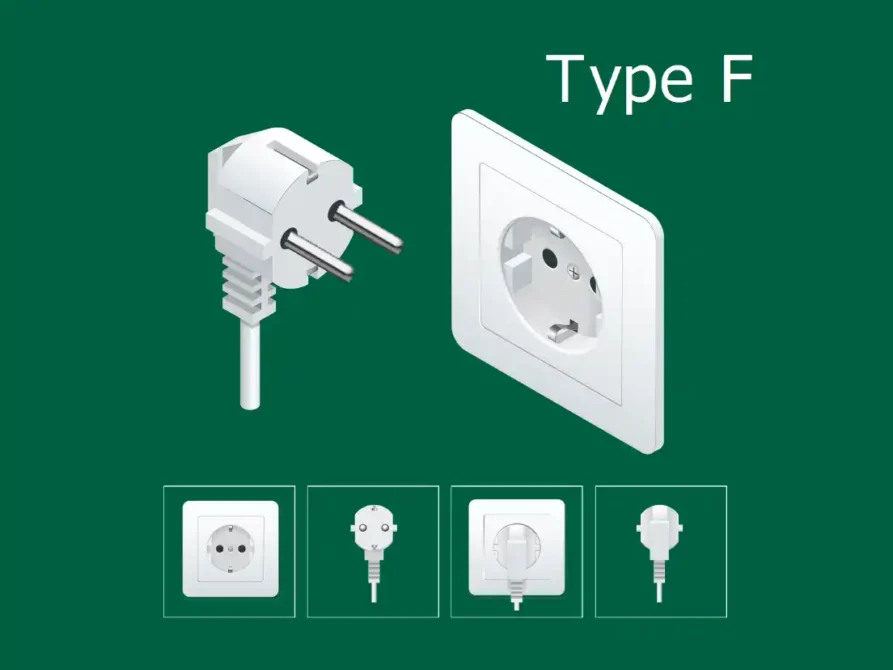
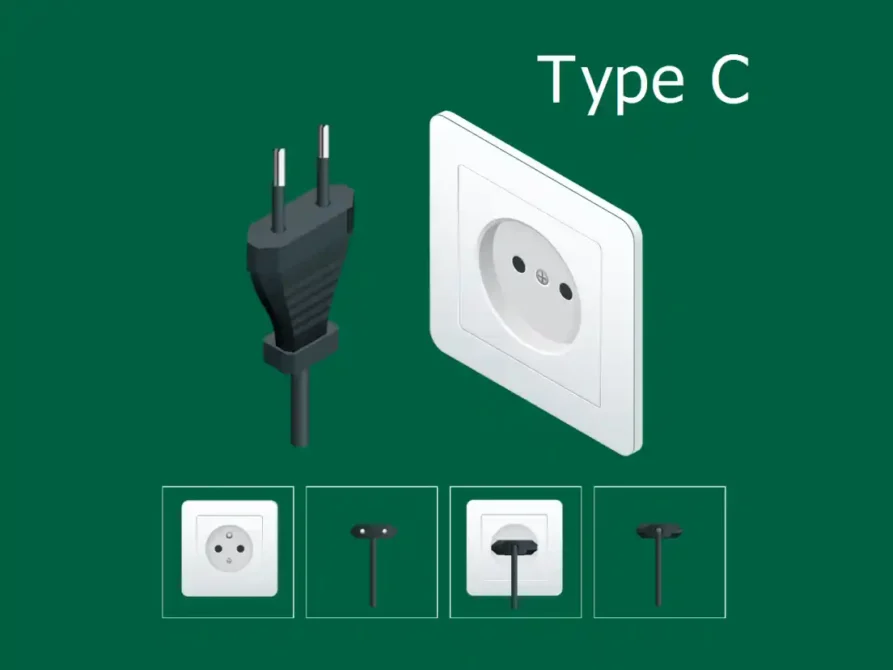
Plug Socket Types Used in Chania
Greece utilises two main electrical socket types:
Essential Travel Adaptor Tips
- UK & US Visitors: UK 3-pin (Type G) and US 2-pin/3-pin (Type A/B) plugs are incompatible with Greek outlets. You will need a standard **UK-to-EU** or **US-to-EU travel adaptor**.
- Voltage Compatibility Check: Look at the fine print on your device’s power charger. If it reads “INPUT: 100-240V, 50/60 Hz”, your device is dual-voltage and only requires a plug adaptor. If it reads “INPUT: 120V”, you will need a voltage step-down converter to prevent frying your electronics.
- Power Outlets in Accommodations: Most modern hotels and renovated holiday rentals in Chania feature Type F sockets and USB charging ports, but packing a universal multi-plug adaptor ensures you can charge multiple devices at once.
Passport, Visa Requirements & Entry Rules
As a member state of the European Union, Greece is an integral part of the
Schengen Area. This allows eligible citizens to travel seamlessly and border-free among 29 European member states.
Schengen Visa-Free Travel (Up to 90 Days)
Passport holders from EU/EEA countries, the United Kingdom, the United States, Canada, Australia, New Zealand, and over 60 other non-EU countries can enter Greece for tourism without a visa. Visitors are permitted to stay for up to
90 days within any 180 days.
Essential Entry Requirements for Travellers
- Passport Validity (Non-EU Citizens): Your passport must be valid for at least 3 months beyond your intended departure date from the Schengen Area and have been issued within the last 10 years.
- EU/EEA Citizens: Citizens of EU member states can enter Greece with a valid national identity card or passport.
- Schengen Visa Holders: Travellers requiring a Schengen Visa must apply through the official Greek Embassy or Consulate in their country of residence before departure. Ensure your visa covers the full duration of your stay in Crete.
Emergency Numbers & Healthcare Services in Chania
When travelling, knowing how to access immediate medical assistance and emergency services gives you complete peace of mind. Chania features a well-organised emergency network, with English-speaking operators available 24/7 across all major helplines.
Essential Emergency Contact Numbers
If you encounter an emergency while visiting Chania or anywhere in Crete, keep the following direct phone lines saved on your device:
- European Emergency Number: 112
The universal 24/7 toll-free emergency number across the European Union. Operators speak English, French, and German, connecting you immediately to the police, fire brigade, or ambulance services. - Ambulance Service (EKAV): 166
- Police / Direct Action: 100
- Tourist Police: 171
A specialised 24/7 police department providing assistance, directions, and emergency support specifically to international visitors in multiple languages. - Fire Brigade: 199
- Coast Guard (Immediate Intervention): 108
- SOS Doctors: 1016
- Duty Hospitals & On-Call Pharmacies Info: 1434
- Poison Control Centre: +30 210 77 93 777
- National SOS Helpline for Children: 105
Pharmacies & Medical Facilities in Chania
Healthcare infrastructure across Chania combines public hospitals, regional health clinics, and private medical centres:
- Local Pharmacies (*Farmakeia*): Recognised by a green LED cross, pharmacies in Chania are well-stocked, and pharmacists usually speak fluent English. Standard pharmacy hours mirror retail shop hours, but on-call overnight and Sunday pharmacies (*Efhmerevonta Farmakeia*) operate on a rotating 24-hour schedule. You can check the active-duty pharmacy on the door display at any pharmacy or by calling 1434.
- Chania General Hospital (“Agios Georgios”): Located in Mournies, this is the main public hospital in the prefecture. It provides full emergency services, though visitors should be prepared for potential waiting times during peak summer months.
- Regional Health Centres: For basic medical care, minor injuries, or first aid outside Chania town, four public regional health centres operate in Kissamos, Vamos, Kandanos, and Chora Sfakion.
- Private Clinics & Medical Centres: Several private hospitals and outpatient clinics operate within Chania town, offering immediate consultation, diagnostic testing, and English-speaking doctors with shorter wait times. Most travel insurance policies cover private clinic visits.
Getting to & Around Chania (Transport Overview)
Reaching Chania and exploring the western region of Crete is straightforward, thanks to well-connected air, maritime, and road networks. Depending on your holiday style, you can easily navigate the city and island using public transport, rental vehicles, or ferries.
How to Get to Chania
Chania is accessible via two main travel gateways:
- By Air (Chania International Airport – CHQ): Located on the Akrotiri Peninsula (14 km from Chania town), Chania Airport “Ioannis Daskalogiannis” handles year-round domestic flights to Athens and Thessaloniki, as well as extensive international charter and direct flights from major European hubs between April and October.
- By Sea via Souda Port: Located 6 km east of the city centre, Souda Port serves as Chania’s primary ferry terminal. Anek Lines and Blue Star Ferries run daily overnight passenger ferry routes connecting Souda to Piraeus (Athens) year-round, with additional daytime sailings during peak summer months. Souda Port also hosts major international cruise ship arrivals.
- Kissamos Port (Kavonisi): Situated in western Chania prefecture, Kissamos Port offers seasonal ferry connections to Kythira, Antikythira, and Gythio in the Peloponnese, providing a scenic sea route to the mainland.
How to Get Around Chania
Once you arrive in Chania, several transport options are available depending on your destination:
- On Foot: The Old Venetian Harbour and the surrounding historic alleys are entirely pedestrianised, making walking the easiest and most enjoyable way to explore the city centre.
- Chania City Bus: The local blue bus network operates 13 urban routes connecting 1866 Square in central Chania to surrounding suburbs and nearby beaches such as Nea Chora, Agioi Apostoloi, and Kalamaki, as well as to Souda Port.
- Regional KTEL Buses (Intercity): For travel to distant destinations—such as Chania Airport, Rethymno, Heraklion, or famous beaches like Elafonisi, Balos, and Falasarna—you must use the green regional KTEL buses departing from the main intercity bus station on Kydonias Street.
- Car & Scooter Rentals: Renting a car or scooter provides maximum freedom to discover hidden gorges, mountain villages, and remote beaches at your own pace. Always ensure you book through reputable local car rental providers.
- Taxis & Private Transfers: Taxis in Chania are rank-based or can be flagged on main streets. Main taxi ranks are located at 1866 Square and near the Venetian Harbour. Rates are metered, though fixed fares apply for airport transfers.
Connectivity: Local SIM Cards, E-SIMs & Wi-Fi Access
Staying connected while exploring Chania is straightforward. Reliable mobile network coverage extends across the entire region, including coastal resorts, highway routes, and most rural mountain villages.
Mobile Networks & Coverage in Crete
Greece has three primary mobile network operators: Cosmote, Vodafone, and Nova. Cosmote provides the widest 4G/5G coverage across Crete, particularly in remote areas, gorges, and island routes.
- EU Data Roaming (“Roam Like at Home”): Travellers holding a SIM card issued in an EU/EEA member state can use their mobile data, calls, and text allowances in Greece at no additional charge under standard EU roaming regulations.
- UK Travellers: Following Brexit, UK mobile operators have varied policies regarding European roaming. Check your UK provider’s roaming fees before departure.
Buying a Local Prepaid SIM Card or E-SIM
If you arrive from a non-EU country (such as the USA, Canada, or Australia) or wish to avoid roaming charges, purchasing a Greek prepaid tourist SIM card or activating an E-SIM is highly recommended:
- Official Provider Stores: You can purchase prepaid tourist SIM packages (offering generous high-speed data bundles) at official Cosmote (or Germanos stores, Vodafone, and Nova branches in central Chania (primarily around Halidon and Tzanakaki streets).
- Identification Required: By Greek law, you must present a valid physical passport or EU ID card in-store to register and activate any local SIM card.
- E-SIM Options: For hassle-free digital activation without physical SIM swapping, international providers such as Airalo, Holafly, or Maya Mobile offer instant 5G E-SIM profiles compatible with modern smartphones.
Wi-Fi Access Across Chania
Free high-speed Wi-Fi is ubiquitous across Chania. Practically all hotels, holiday apartments, tavernas, cafes, bars, and organised beach facilities provide complimentary Wi-Fi access to guests. Additionally, the Municipality of Chania provides free public Wi-Fi hotspots in central public spaces, including 1866 Square, the Central Market area, and the Old Venetian Harbour.
Local Customs, Smoking Laws & Useful Greek Phrases
Crete is famous for its warm hospitality (*Filoxenia*), rich traditions, and laid-back Mediterranean lifestyle. Respecting local social norms and etiquette ensures a welcoming reception throughout your stay.
Smoking Regulations in Chania
Greece has strict anti-smoking legislation designed to protect public health, though enforcement varies depending on the setting:
- Indoor Smoking Ban: Smoking (including traditional cigarettes, cigars, and electronic cigarettes/vapes) is strictly prohibited by law in all indoor public spaces across Greece. This includes airport terminals, enclosed restaurants, tavernas, cafes, bars, taxis, public buses, and hotel lobbies.
- Outdoor Dining & Terraces: Smoking is generally permitted in open-air dining areas, outdoor cafe terraces, and beach establishments. However, always check whether your outdoor table is near families with young children, and use the provided ashtrays responsibly.
Dress Code & Etiquette in Churches and Monasteries
When visiting active Orthodox churches and historic monasteries across Crete (such as Agia Triada Tzagaroli, Gouverneto, or Chrysoskalitissa):
- Dress modestly by covering your shoulders and knees. Shorts, sleeveless tops, and swimwear are strictly forbidden inside sacred buildings.
- Remove hats upon entering, and refrain from taking photos of monks or during active religious services without permission.
Useful Local Greek Phrases
While English is widely spoken throughout Chania’s hospitality and tourism sectors, learning a few basic Greek words is greatly appreciated by locals:
- Kalimera (καλημέρα) – Good morning
- Kalispera (καλησπέρα) – Good afternoon/evening
- Efcharisto (ευχαριστώ) – Thank you
- Parakalo (παρακαλώ) – Please / You’re welcome
- Yassas (γεια σας) – Hello / Goodbye (Polite/Plural)
- Nai (ναι) – Yes
- Ochi (όχι) – No
- Posa kostizei? (πόσο κοστίζει;) – How much does it cost?
- Yamas! (στην υγεία μας!) – Cheers! / To our health!
Can You Drink Tap Water in Chania?
A frequent question among first-time visitors is whether tap water in Chania is safe for daily consumption. The short answer is yes, but with important regional distinctions to keep in mind.
Municipal Tap Water Quality
Tap water across urban Chania, the Venetian Old Town, and surrounding residential suburbs is fully treated, continuously monitored, and safe to drink, cook with, and brush your teeth. The water originates primarily from the natural freshwater springs of the White Mountains (Lefka Ori).
However, due to the high mineral content (hard water) in certain municipal supplies, the taste may differ from what you are used to at home. For this reason, many visitors and locals choose bottled spring water for drinking, which is widely available and very inexpensive in all local mini-markets and supermarkets.
Important Agricultural & Rural Water Warnings
When travelling outside urban Chania into rural or agricultural areas of Crete, exercise caution regarding water sources:
- Agricultural Faucets: Outdoor water pipes, green hoses, and taps located in olive groves, orange orchards, or roadside agricultural fields carry untreated non-potable water intended strictly for crop irrigation. Do not drink from agricultural taps.
- Natural Countryside Springs: Avoid drinking directly from unverified natural springs, roadside fountains, or mountain streams in rural gorges unless a sign explicitly confirms that the water has been tested and is drinkable (*Posisimo Nero*). Free-roaming livestock in mountain areas can contaminate untreated surface water.
Weather, Time Zone & Best Time to Visit
Chania enjoys a classic Mediterranean climate with hot, sunny summers and mild, rainy winters. Planning your itinerary around seasonal weather patterns ensures you make the most of Crete’s outdoor attractions, beaches, and historic landmarks.
Best Time to Visit Chania
- Peak Summer (July & August): Hot and dry, with daily temperatures ranging from 30°C to 35°C. This is the prime season for beach holidays, nightlife, and water sports, though popular spots like Balos and Elafonisi see heavy visitor crowds.
- Shoulder Seasons (May–June & September–October): Widely considered the ideal time to visit Chania. Temperatures are comfortably warm (24°C–28°C), sea temperatures are pleasant for swimming, and sightseeing around the Old Town or hiking the Samaria Gorge is far more comfortable without intense summer heat.
- Winter (November to April): Mild and rainy, with daytime temperatures averaging 14°C to 18°C. While beach resorts close for the season, central Chania remains lively, offering an authentic, uncrowded experience for cultural exploration.
Looking for real-time forecasts, seasonal temperature averages, and live satellite updates? Check out our complete guide to The Weather in Chania.
Time Zone & Daylight Saving Time
Greece operates on Eastern European Time (EET), which is UTC+2 during the winter months. Like the rest of the European Union, Greece observes Daylight Saving Time (EEST / UTC+3) from late March to late October.
- Clocks Shift Ahead (UTC+3): On the last Sunday of March, clocks advance by one hour.
- Clocks Shift Back (UTC+2): On the last Sunday of October, clocks move back by one hour.
- UK & Ireland Comparison: Greece is consistently 2 hours ahead of the United Kingdom and Ireland year-round.
Official Tourist Information Offices in Chania
While digital guides and interactive maps offer instant answers on the go, visiting an official local tourist information office lets you speak directly with knowledgeable staff, pick up physical city maps, and receive up-to-date announcements about municipal events and regional transport.
Main Municipal Tourist Information Office
For reliable, official guidance in central Chania, we recommend visiting the primary municipal tourist office:
- Address: 40 Kriari Street, Chania 731 36 (Located in central Chania town, near 1866 Square)
- Opening Hours: Open year-round (Extended daily hours during the summer season)
- Services Provided: Free printed maps of Chania Old Town and the prefecture, public bus timetables, municipal event schedules, and multilingual assistance from official staff.
Additionally, seasonal information kiosks operate near the Old Venetian Harbour and at the Chania Passenger Terminal at Souda Port during peak cruise arrival months.